
 info@indiafashionicon.com
 Publisher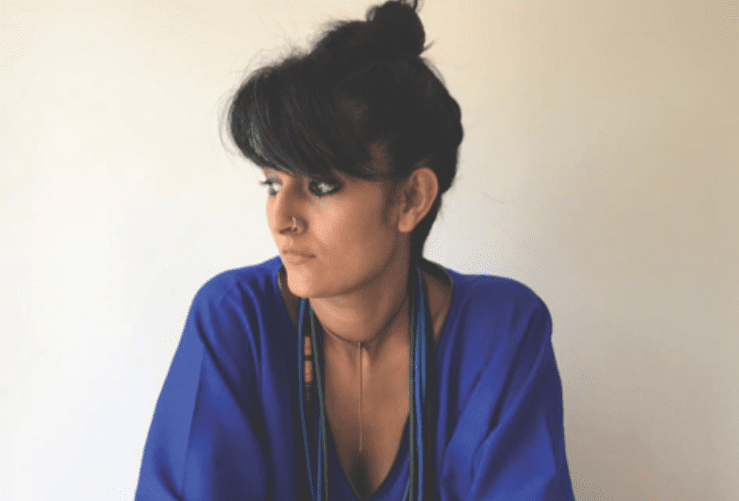
 इस खबर को सुनने के लिये प्ले बटन को दबाएं।


Growing up in Bombay (Mumbai), Payal was surrounded by art and craft: her mother and grandmother both painted and made clothes — nurturing her twin interests in art and design from a young age.
She earned a Diploma in Fashion Design from SNDT University, Mumbai, in 1994 — winning several awards for illustration, design, and construction. Soon after, in 1995, she moved to New York on scholarship and completed a BFA in Fine Arts and Illustration from Parsons School of Design in 1999. This blend of Indian upbringing, classical art education and global exposure laid the foundations for her distinctive design voice.
Before launching her own label, Payal also engaged with the world of contemporary art — her paintings have been showcased internationally, and she has exhibited in cities like New York, Barcelona, and Mumbai.
The Birth of a Label
In 2012, Payal transformed her passion and vision into a tangible fashion brand — launching her eponymous label with a clear philosophy: create clothes that “feel good,” not just look good.
Her inspiration draws heavily from her background as a painter — for her, dressmaking is simply a shift in canvas: “I orchestrate colour, geometry and proportion into clothing,” she explains.
From the outset, her creations stood out: sharply tailored garments, minimal yet bold silhouettes, and a focus on craftsmanship and comfort over ornamentation.
Craft, Colour & Conscious Textiles
A core part of Payal’s design DNA is her commitment to artisanal textiles and handloom craftsmanship. Her label works with silks, khadi, linens, cottons — often handwoven — to produce clothes that have a natural, textured feel.
Her collections often reflect an aesthetic where East meets West: traditional Indian weaving and fabric heritage meets modern tailoring, minimalist cuts, and contemporary colour-blocking.
Growing Presence
What began modestly — reportedly from her living room with a few racks of samples — grew steadily. Over time, the brand expanded from a home-studio setup to multiple flagship stores and a wider presence across India.
For example:
-
In 2014–15, she opened her first boutique in the Colaba area of Mumbai, transforming a heritage building into a minimalist, art-inspired retail space.
-
Later, she expanded with another store in Bandra — choosing a bungalow in Chimbai Village to reflect a deliberate aesthetic and reflect the brand’s ethos of understated luxury.
Her label also diversified: apart from ready-to-wear clothes, she has offered hand-woven festive wear, brocades, and even accessories through a separate line.
For more style updates & exclusive fashion stories follow indiafashionicon.com
 Publisher