
 info@indiafashionicon.com
 Publisher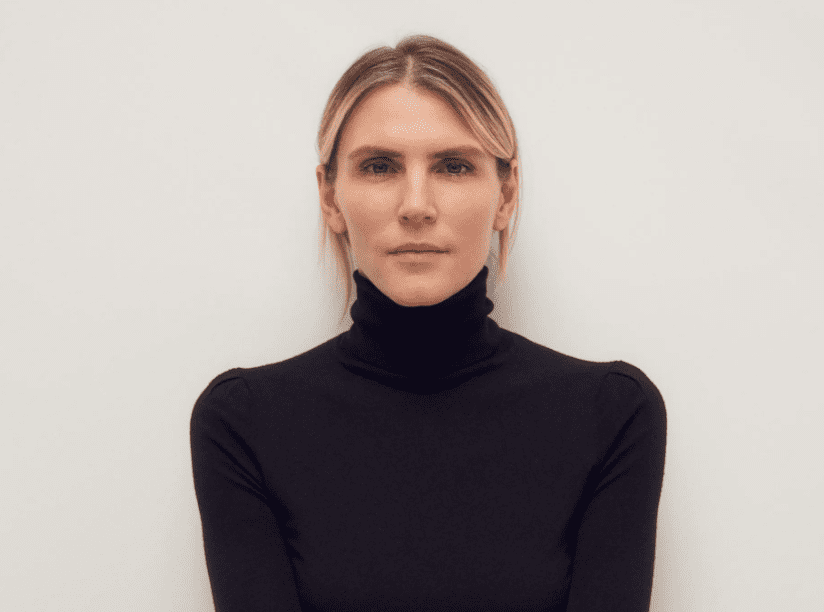
 इस खबर को सुनने के लिये प्ले बटन को दबाएं।


Uruguayan-born, New York–based designer Gabriela Hearst has made a noteworthy entry into the Indian luxury fashion scene with a curated collection at Galeries Lafayette in Mumbai, underscoring her enduring commitment to conscious design and environmental stewardship. In an exclusive conversation with Vogue India, Hearst discussed her philosophy and the role of sustainability in the future of fashion.
Crafting Luxury with Purpose
From her upbringing on a ranch in Uruguay—surrounded by nature and animals—Hearst’s concept of luxury has always been tied to thoughtful creation and longevity rather than trend-driven consumption. She launched her eponymous label in 2015 with a mission to prioritise ethical sourcing and sustainability, always emphasising that good intentions must be paired with exceptional design.
Her beloved Nina bag, introduced in 2016, exemplifies this ethos: originally designed for personal use, its minimal silhouette and craftsmanship quickly found a global following, later carried by influential figures and embraced as a modern classic.
Pushing Boundaries on Materials and Process
Hearst’s approach to material selection reflects a deep ecological awareness. She avoids synthetic and petroleum-based materials, opting instead for linen, leather, wool, and other natural fibres that harmonise with environmental cycles. Her preference for linen over conventional cotton, for example, stems from concerns about the ecological impacts of monocropping, pesticides and water use.
She also emphasises the importance of knowing a product’s complete journey—from origin and processing to transport and manufacturing—an idea that she refers to as verticality, championing transparency across the supply chain.
Creativity Within Sustainability
Contrary to the notion that sustainability limits creativity, Hearst finds creative empowerment within environmental constraints. She believes that placing parameters around design work sharpens innovation, pushing designers to produce work that is beautiful, functional and lasting.
Her brand has also broken new ground in sustainable luxury fashion by staging fashion’s first carbon-neutral runway show, phasing out plastic packaging, and, during her tenure as creative director at Chloé, leading the house to become the first major luxury brand to earn B-Corp certification—affirming high standards of social and environmental performance.
Beyond Fashion—Climate and Energy
For Hearst, the challenge facing fashion isn’t just about fibres and fabrication—it’s about the larger environmental crisis, particularly energy. She emphasises that until the industry reduces its reliance on fossil fuels, it cannot fully address its ecological footprint. Emerging energy solutions, such as fusion power, offer hope for a more sustainable future that aligns industrial progress with ethical responsibility.
A New Era for Conscious Luxury in India
With her arrival in India, Hearst brings a model of luxury that places durability, environmental accountability and thoughtful sourcing at the forefront. As fashion evolves globally, her philosophy suggests that sustainability will no longer be an optional attribute, but a central tenet of how meaningful and lasting design is conceived and celebrated.
For more style updates & exclusive fashion stories follow indiafashionicon.com

 Publisher