

 info@indiafashionicon.com
 Publisher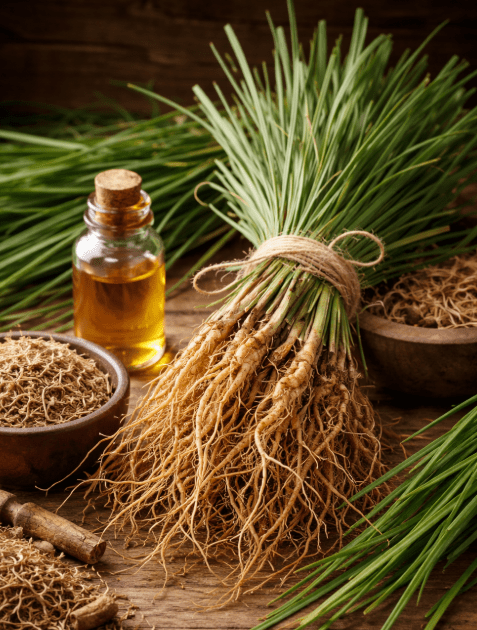
 इस खबर को सुनने के लिये प्ले बटन को दबाएं।


Indian scent ingredients — long rooted in regional rituals and traditional perfumery — are increasingly shaping the global fine fragrance industry, blending authenticity with luxurious appeal, experts say. Ingredients such as oud, vetiver, jasmine sambac, tuberose, nagarmotha and patchouli once associated primarily with Indian attars and local customs are now prized by perfumers in fragrance capitals like Paris, Dubai and New York.
According to Amita Agrawal, Director of Perfumery at Mysore Deep Perfumery House & Zed Black, international brands are actively sourcing these botanicals for premium Eau de Parfum (EDP) formulations that demand depth, longevity and a genuine sensory story — qualities often missing from synthetic substitutes.
Why Indian Aromatics Are Favoured
Unlike synthetic compounds, natural Indian botanicals carry rich olfactory complexity and molecular stability that contribute to longer-lasting, more layered fragrances. This has helped Indian materials move from niche ‘exotic notes’ to core components in luxury perfume blends favoured worldwide.
“Indian ingredients do not merely add aroma,” Agrawal explains, “they add narrative — evoking heritage, memory and cultural depth.”
Signature Indian Ingredients Leading the Trend
• Indian Oud — Traditionally prized in Middle Eastern perfumery, Indian oud’s smoky, resinous richness gives compositions exceptional depth and evolution on the skin — making it a favourite in high-end fragrances.
• Vetiver (Khus) — Known for its fresh earthiness, vetiver balances heavier notes with elegance and sophistication. Its versatility makes it valuable in both masculine and unisex scents.
• Jasmine Sambac & Tuberose — These florals offer intoxicating sweetness and floral resonance, enhancing romantic and opulent perfume blends with cultural resonance.
• Nagarmotha & Patchouli — Once overlooked, these deep, woody and earthy notes are gaining acclaim for adding complexity and grounded richness to modern blends.
Tradition Meets Modern Luxury
Historically, Indian perfumery — particularly the attar tradition from Kannauj — emphasised steam-distilled natural essences derived from flowers, woods and spices and blended into sandalwood oil for richness and longevity. This craftsmanship has created a reservoir of raw material expertise that international houses now draw upon.
Today’s global perfume consumers are looking for authentic scents that tell a story, a shift away from generic mass-produced fragrances. Indian botanicals, steeped in cultural memory and natural complexity, are fulfilling this demand
For more style updates & exclusive fashion stories follow indiafashionicon.com

 Publisher