 info@indiafashionicon.com
 Publisher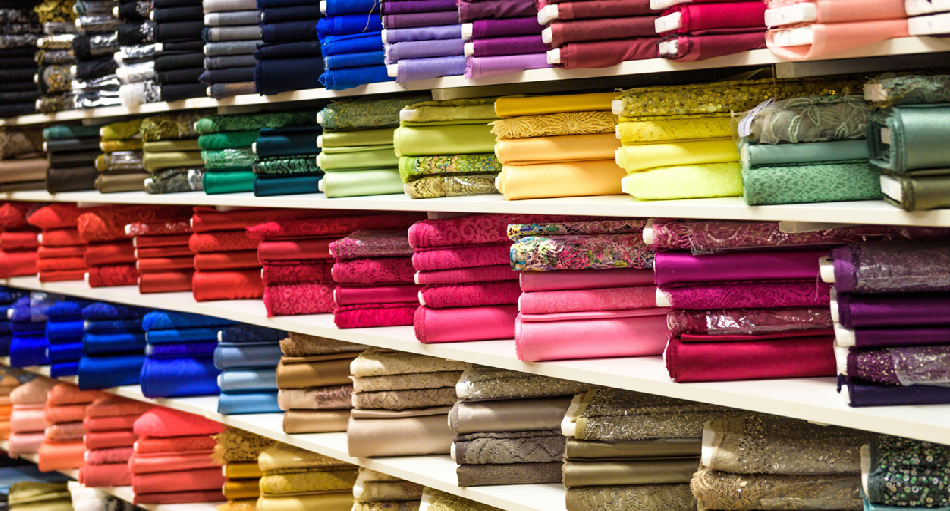
 इस खबर को सुनने के लिये प्ले बटन को दबाएं।


In a shift that’s redefining the Indian fashion map, Surat—long known for its textile mills and diamond trade—is emerging as the country’s true fashion capital, challenging the glamor-driven reputations of Mumbai and Delhi. According to a report by The Times of India, the city’s unprecedented role in fabric production and trend dissemination positions it at the heart of India’s fashion machinery.
While Mumbai remains associated with stylists and media and Delhi with couture and runway prestige, Surat’s influence lies in what actually makes fashion possible across the nation—from Chandni Chowk boutiques to high-street stores.
1. The Engine of Fabric Production
Surat’s textile infrastructure hums with activity, producing millions of meters of fabric daily. This immense scale means that trends first become accessible to the broader market only after the city’s mills have spun, printed, and processed them. The speed and volume of production ensure that emerging styles reach consumers faster than in traditional fashion centers.
2. Rapid Trend Adoption and Printin
Surat has mastered digital textile printing, enabling it to interpret and mass-produce trending designs at remarkable speed. Whether it’s neon hues from viral celebrations or pastel palettes from celebrity weddings, Surat ensures trends are turned into wearable fashion before they fade from public memory.
3. Beyond Cloth — A Full Fashion Ecosystem
Fashion in Surat isn’t limited to fabrics alone. The city processes a vast majority of rough diamonds globally, bringing sparkle that complements garments from head to toe. With the growing lab-grown diamond segment, Surat links textiles and accessories into a seamless fashion supply chain.
4. Democratizing Fashion
Unlike the exclusivity often associated with Mumbai and Delhi fashion circuits, Surat democratizes style—making trendy and high-quality garments affordable and accessible to the average consumer. This transformative role turns what once was considered “backend” work into the backbone of the industry.
5. Structural Growth and Global Integration
Surat’s transition from an informal manufacturing hub to a global trade center reflects a maturing fashion hub. Its structured industrial ecosystem is increasingly enabling trade connections and export opportunities, further broadening its impact on the world fashion map.
As fashion capitals are redefined in 2026 and beyond, analysts say the title might no longer belong to cities known for their style statements but to ones that power the industry from its foundations—and Surat seems to be leading that transformation.
For more style updates & exclusive fashion stories follow indiafashionicon.com
 Publisher