
 info@indiafashionicon.com
 Publisher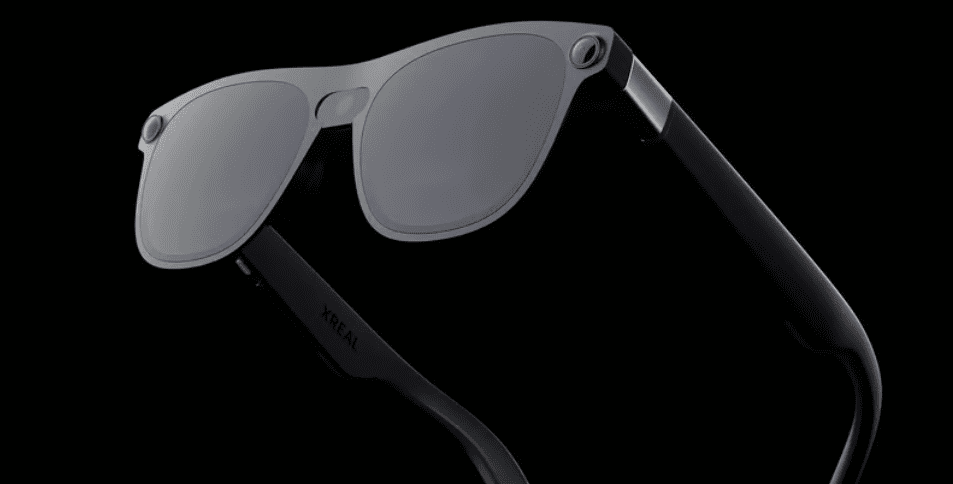
 इस खबर को सुनने के लिये प्ले बटन को दबाएं।


In a major legal escalation within the burgeoning augmented reality (AR) smart glasses industry, Xreal Inc., a leading Chinese AR wearables pioneer, has filed a patent infringement lawsuit against rival Viture Inc. in the United States District Court for the Eastern District of Texas.
The complaint, submitted by Xreal’s subsidiary Matrixed Reality Technology Co. Ltd, alleges that several of Viture’s smart glasses models — including Viture Pro, Luma Pro and Luma Ultra — unlawfully incorporate technology protected under U.S. Patent No. 11,988,839. This patent, originally filed in 2018 and granted in 2024, covers core optical system designs that improve image clarity, field of view and lightweight ergonomics in AR eyewear.
Protecting Core AR Innovation
Xreal argues that its extensive investment in AR research and intellectual property should not be undermined by competitors who, in its view, have “benefitted from foundational innovations without proper licensing.” The suit marks a significant move to defend proprietary tech crucial to wearable display performance — a key differentiator in a fast‑growing XR market.
Industry analysts see the case as indicative of increasing competitive tension in a space expected to expand rapidly over the coming decade. With major players like Meta and Google also investing heavily in smart glasses ecosystems, protecting patent portfolios is fast becoming a strategic priority.
Global Patent Battles Escalate
This U.S. filing follows earlier patent action in Europe, where a German court granted a preliminary injunction against some Viture products for infringing on related Xreal patents. That ruling froze sales of certain models in Germany and may extend to several other EU markets.
Viture has publicly dismissed the lawsuit as “weak and questionable,” claiming the patent covers prior‑art concepts no longer unique. The company says it plans to challenge both the legal basis of the claims and the scope of affected products.
What It Means for the Market
The legal showdown reflects a critical moment for the AR smart glasses sector, where intellectual property disputes could shape product availability, partnerships and competitive dynamics. A victory for Xreal might force licensing deals or even restrict some Viture products in key markets, while a Viture win could embolden broader innovation across the segment.
For consumers, the case may influence which smart glasses models remain readily accessible, particularly in the U.S. and Europe. For companies, it underscores that patent strategy is now as central as hardware design in the race to lead the next frontier of wearable tech.
For more style updates & exclusive fashion stories follow indiafashionicon.com

 Publisher