
 info@indiafashionicon.com
 Publisher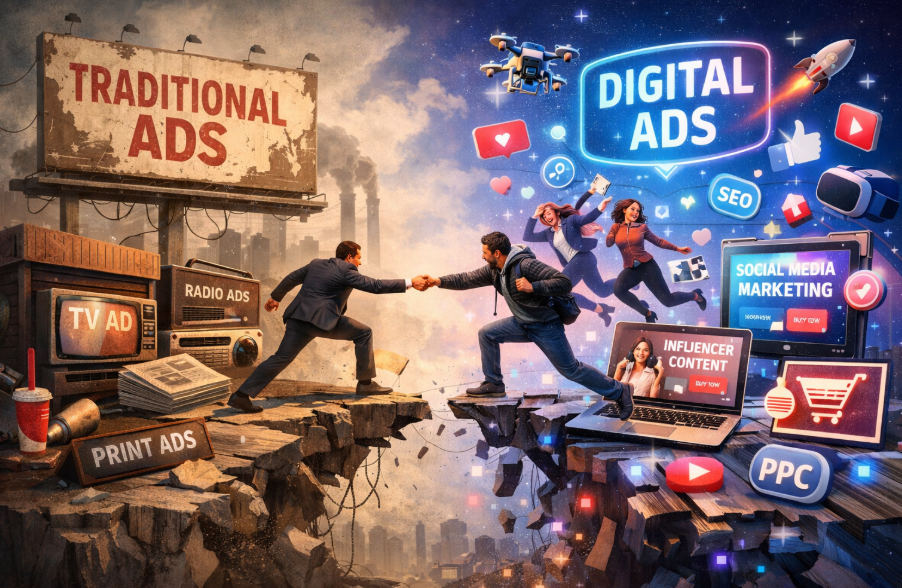
 इस खबर को सुनने के लिये प्ले बटन को दबाएं।


As consumer attention becomes harder to win, fashion brands and retailers are reimagining how they connect with shoppers — moving beyond traditional advertising and product displays toward experiences that feel more like entertainment than commerce. This evolution — dubbed **“Brand as Entertainment 3.0” — aims at emotional engagement over transactional messaging and creates lasting experiences rather than mere shopping stops.
Why Traditional Advertising Is Losing Its Punch
Today’s consumers — especially younger generations — are bombarded with messages across digital and physical channels. In this crowded landscape, straightforward ads or product showcases often get ignored. In response, fashion brands are experimenting with immersive storytelling and cinematic experiences that build deeper emotional resonance and a sense of belonging around their identities. Examples include branded films, narrative micro-series and large-scale spectacles tied to cultural moments.
Reimagining Physical Retail as Playground and Stage
Brick-and-mortar stores are no longer just places to browse racks; they are becoming spaces where brands can set the scene and invite participation. Retailers are exploring:
-
Immersive pop-ups that feel like short theatrical productions.
-
Experience hubs combining shopping with travel-worthy attractions.
-
Interactive in-store features like styling walls, customization stations, and micro-stages that change frequently.
These approaches encourage visitors to spend time — and create memories — rather than simply buy a product.
Experiences That Build Community and Meaning
Central to this shift is the idea that shared cultural experiences bring people together, transforming retail from a solo task into a social occasion. Successful entertainment-driven retail spaces give consumers reasons to return, share stories, and feel part of a community. Concepts like rotating displays, dynamic event spaces, and lifestyle-oriented store designs help make stores destinations in their own right — not just purchase points.
Designing Retail as Narrative Spaces
At the heart of the entertainment-first approach is storytelling through space. Rather than arranging aisles and shelves purely for convenience, brands are thinking like set designers — crafting environments with emotional beats, immersive vignettes and chapters that guide visitors through a narrative journey. This shift acknowledges that customers increasingly seek experiences that feel richer and more meaningful than traditional retail interactions
For more style updates & exclusive fashion stories follow indiafashionicon.com
 Publisher