

 info@indiafashionicon.com

 Publisher
 इस खबर को सुनने के लिये प्ले बटन को दबाएं।


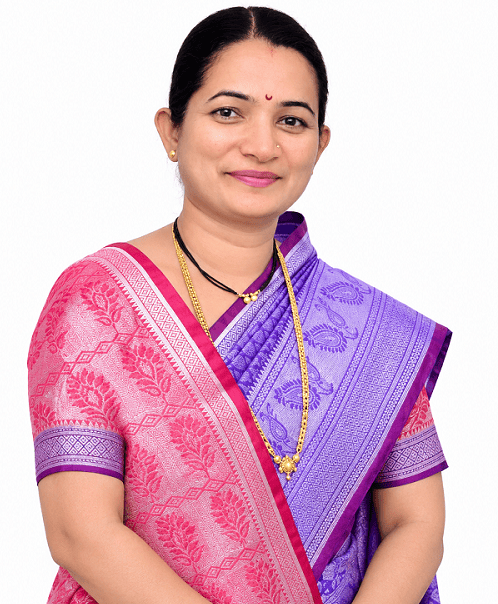
Through DREAM and Korku Agro Private Limited, Rupali Gajanan Kale is working to help tribal communities move beyond wage-based employment and become stakeholders in businesses built around their own local resources.
For nearly two decades, Rupali Gajanan Kale has been working towards the economic empowerment of tribal communities in the Melghat region of Maharashtra. Through the DREAM organisation, she has focused on helping local communities obtain better market access for forest-based products and traditional resources. Her approach places a special emphasis on a powerful idea: tribal communities should not only earn a livelihood from their resources but also participate in owning and developing the enterprises that process and sell them.
Turning Local Forest Produce into Business Opportunities
Melghat is known for its rich natural resources, including forest-based products that can provide livelihood opportunities for local communities. However, when these products do not receive suitable market prices, the people who collect them may struggle to earn a fair income.
Recognising this challenge, Rupali Kale began exploring ways to process local products and bring them directly to customers through organised business channels. This initiative led to the establishment of Korku Agro Private Limited, a company focused on processing and marketing products associated with the region.
One of the most distinctive aspects of the initiative is its emphasis on community ownership. According to the information shared about the project, approximately 250 members of the Korku tribal community have been offered shares in the company. This model aims to give community members a stake in the enterprise rather than limiting their participation to collecting raw materials or supplying labour.
The underlying vision is to encourage a locally rooted economic model in which people can participate in the value chain—from local production to processing and sales.
Overcoming Challenges in Honey Processing
Building a market for forest-based products has not been without difficulties. Honey, in particular, presented a challenge because customers were not always familiar with the natural variations that can occur in forest honey.
Changes in temperature and the natural characteristics of honey can affect its appearance and texture. When customers misunderstood these variations, the business reportedly faced product returns and financial losses.
Rather than abandoning the effort, Rupali and her team sought expert guidance and worked to strengthen their processing methods. The initiative also explored the use of modern machinery and technology to improve processing and product handling.
This experience highlights an important lesson for rural enterprises: successful marketing depends not only on the quality of a product but also on processing standards, customer awareness, consistent handling and trust.
Expanding the Product Range
Alongside honey, the enterprise has introduced products described as Blue Honey or Cyan Honey. Its product range also includes kutki, a traditional millet, and jagni oil, made from locally sourced seeds.
To support the initiative’s processing capacity, Rupali reportedly obtained a loan through the CMGP scheme to purchase the necessary machinery. The business is also working to reach customers through online marketplaces and other sales channels.
These efforts are intended to create more value from local resources within the region. By processing and marketing products rather than relying solely on the sale of raw forest produce, the initiative seeks to open up additional economic possibilities for the communities involved.
Social Entrepreneurship with a Focus on Ownership
For Rupali Kale, the initiative represents more than a conventional business venture. Its broader purpose is connected to the economic, social and educational development of tribal communities.
The community-shareholding approach offers a different perspective on entrepreneurship: people who contribute to a business’s supply chain can also be considered for participation in its ownership. If supported by transparent governance, sustainable markets and fair participation, such models can help communities build a stronger connection with the value created from their own resources.
Through DREAM and Korku Agro Private Limited, Rupali Kale is working towards a model that brings together local knowledge, forest-based products, enterprise development and community participation.
Her journey reflects the potential of social entrepreneurship to create opportunities rooted in local resources and collective participation. The larger aspiration is clear—to help tribal communities become not just suppliers of products or providers of labour, but active participants in the businesses built around their own economic future.
Contact Details
- Phone: 9420126091 / 8208100000
- Email: dreamngo.teosa@gmail.com
- Websites: www.korkdtore.com | www.dreamngo.in

 Publisher


 Publisher


