 Publisher
 इस खबर को सुनने के लिये प्ले बटन को दबाएं।


For more style updates & exclusive fashion stories follow indiafashionicon.com


India Fashion Icon isn’t just a brand—it’s a movement.
Born from the vibrant spirit of Indian style, we celebrate the bold, the beautiful, and the trendsetters who dare to make fashion their voice. Whether it's couture elegance, street-smart flair, or ethnic artistry, we believe true fashion lies in fearless expression.
Our journey began with a mission: To elevate India’s diverse fashion heritage while embracing modern creativity. From showcasing emerging designers to spotlighting revolutionary style statements, we’re here to redefine what it means to be iconic.
🏢 India Fashion Icon is a unit of Sure Me Multipurpose Pvt Ltd, a company registered under CIN U52399MH2020PTC337414. Our GST number is 27ABDCS4011N1Z. Headquartered in Nashik, our operations span across Nashik and Mumbai, anchoring us in two of Maharashtra’s style-savvy cities.
🌍 What we stand for:
Whether you're a style enthusiast, designer, model, or simply someone who loves dressing with purpose, India Fashion Icon welcomes you. You’re not just part of our story—you are the story.
What We Offer:
Join us in spotlighting the next generation of Indian fashion icons.
For partnerships, advertising, or editorial features, reach out at:
 info@indiafashionicon.com
 www.indiafashionicon.com
इस खबर को सुनने के लिये प्ले बटन को दबाएं।
For more style updates & exclusive fashion stories follow indiafashionicon.com
 Publisher
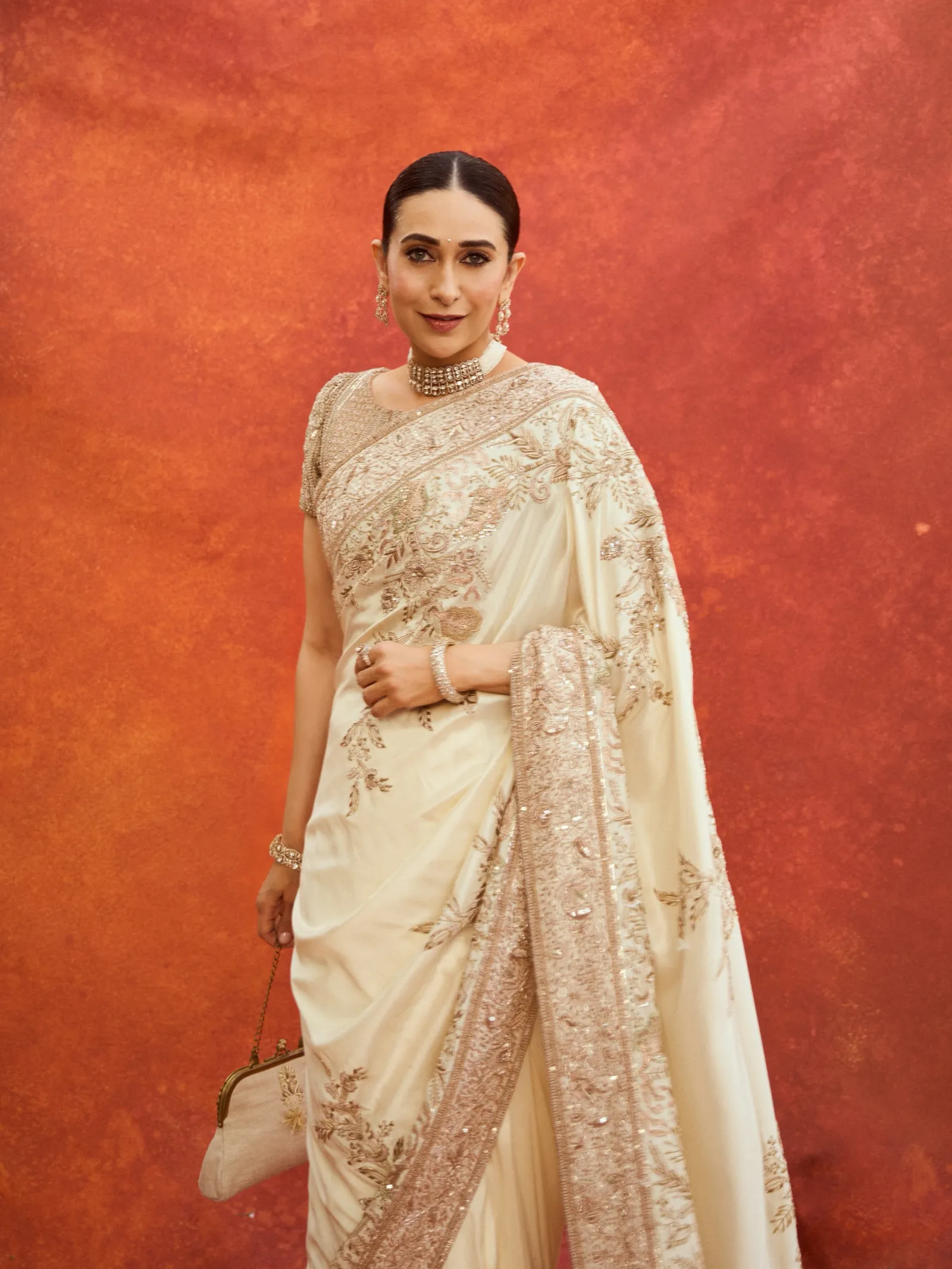
इस खबर को सुनने के लिये प्ले बटन को दबाएं। Karisma Kapoor’s Elegant Ivory Saree Look is Perfect Inspiration for Wedding & Festive Fashion When it comes to graceful ethnic…
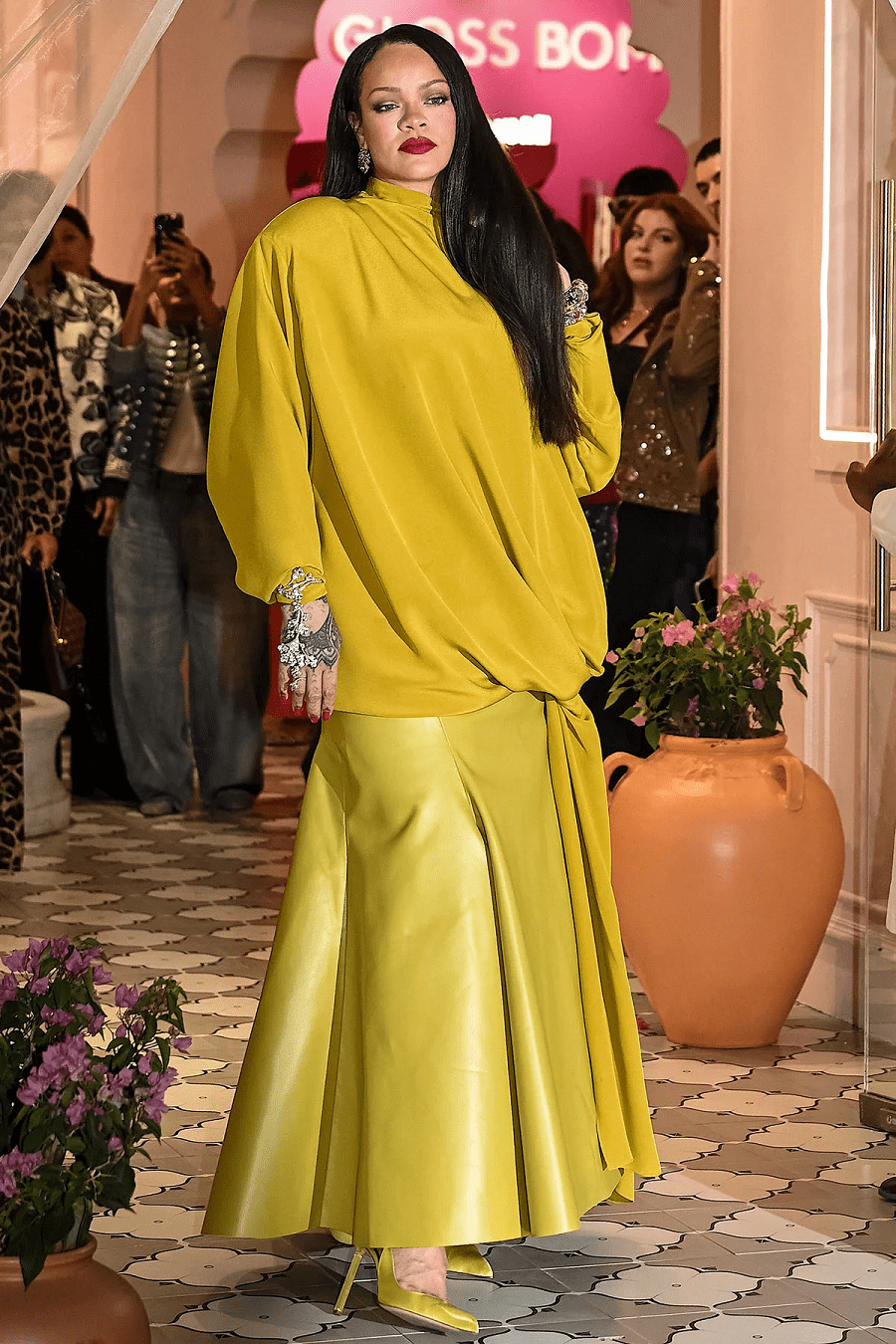
Publisherइस खबर को सुनने के लिये प्ले बटन को दबाएं। Rihanna Wears Mugler and Alaïa for Fenty Beauty Mumbai Launch Mumbai | April 27, 2026 Rihanna marked the India debut…