

 info@indiafashionicon.com
 Publisher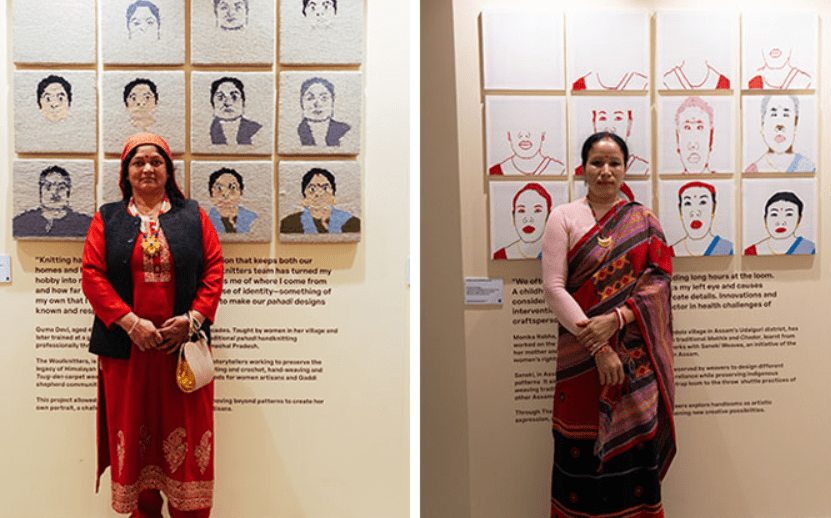
 इस खबर को सुनने के लिये प्ले बटन को दबाएं।


A new project titled “The Right to Be Seen” is emerging as India’s first major craft-based identity initiative, designed to document, celebrate, and amplify the voices of traditional artisans and craft communities. The endeavour seeks to broaden the understanding of craft not just as products, but as core elements of cultural and social identity.
The initiative underscores how craft practices — from weaving and embroidery to block printing and metalwork — are deeply rooted in the histories, rituals, and everyday lives of communities across India. Each craft form carries distinct stories about geography, heritage, and collective memory, making them valuable cultural markers well beyond the commercial sphere.
Craft as Cultural Identity, Not Just Commodity
While many craft projects focus on market access or product design, the “Right to Be Seen” initiative places identity and visibility at its heart — giving recognition to craft creators as custodians of living traditions. It aligns with broader academic and cultural dialogues that position craft as a defining component of regional and national identity, not merely an economic activity.
Experts note that craft often encapsulates rich narratives spanning social relations, ecological contexts, and aesthetic philosophies unique to particular regions. This project highlights those narratives with the intent of reshaping how craftspeople are perceived — shifting from passive producers to visible cultural contributors whose work embodies India’s diversity.
Bridging Tradition and Contemporary Recognition
Organisers and cultural commentators involved with the project argue that art and craft require platforms that respect both tradition and innovation. Unlike typical product catalogues or promotional campaigns, this identity initiative emphasises storytelling, historical context, and personal voices — helping craft communities assert their place in a rapidly modernising cultural landscape.
By anchoring craft within identity discourse, the project also encourages wider appreciation among consumers and creatives, promoting deeper understanding of India’s vast artisanal ecosystems. This resonates with other contemporary efforts that bring artisans into mainstream fashion and cultural conversations, integrating heritage techniques into modern design whilst preserving authenticity.
Potential Impact and Future Prospects
Stakeholders hope the “Right to Be Seen” project will inspire similar initiatives across educational, artistic, and commercial institutions — from museums and galleries to fashion houses and design schools. By promoting craft as a living identity marker, the initiative could help drive sustainable cultural engagement, enrich curricula, and push for informed policies that protect traditional knowledge and creative expression.
In an era where globalisation often pressures local practices toward commodification, projects like this reaffirm that craft is more than craftwork — it is a story of people, place, and collective heritage.
For more style updates & exclusive fashion stories follow indiafashionicon.com

 Publisher