 info@indiafashionicon.com
 Publisher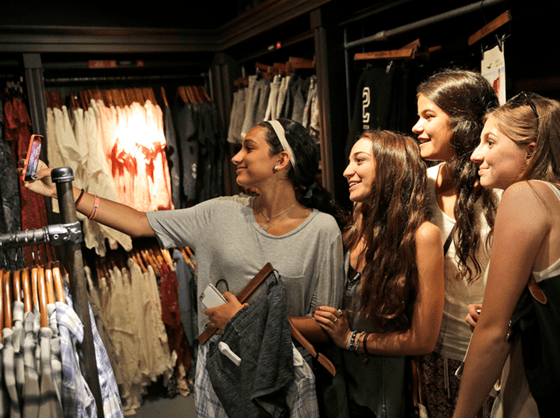
 इस खबर को सुनने के लिये प्ले बटन को दबाएं।


India’s fashion market in 2025 demonstrated remarkable evolution, marked by accelerated trend cycles, smarter shoppers, and a digital-first transformation that redefined how consumers discover and engage with style.
Trend Acceleration and Digital Discovery
One of the most striking changes in 2025 was how fashion trends reached consumers at unprecedented speed. Shoppers no longer waited months for runway influences to trickle down — scroll-led discovery through short-form video, social media, and livestream commerce became dominant. Platforms like Instagram Reels and video commerce feeds helped styles go viral in days, fuelling rapid adoption of trends across India’s fashion ecosystem.
This shift means fashion isn’t just seasonal anymore — it’s always now. Young, digitally native consumers in metros and beyond are influencing what’s next, forcing brands to adopt agile product cycles and collaborate more deeply with creators and influencers.
Tier-2 & Tier-3 Cities Power Growth
Another major dynamic in 2025 was the geographic democratization of fashion demand. While major metros remained key trend hubs, tier-2 and tier-3 cities like Bardhaman, Cuttack, and Kamrup drove a significant share of growth — bringing premiumisation and trend sensitivity to markets that were once underserved.
This broader base of fashion consumers helped popular categories like athleisure, coordinated sets, customised accessories, and everyday stylish essentials grow rapidly, signalling stronger appetite for fashion beyond traditional urban centres.
Wiser Shoppers, Value-Driven Buying
2025’s Indian fashion shopper isn’t just fast — they’re wiser. Consumers increasingly prioritized value, personalisation, and relevance. Demand surged for affordable and accessible fashion, with value fashion retailers outperforming premium labels by offering trend-relevant designs at competitive prices.
Meanwhile, shoppers also sought meaningful experiences — from smarter fits and styling guidance online to responsive customer service — turning purchase decisions into more informed, intentional choices rather than impulse buys.
Omnichannel & Tech-Driven Engagement
Fashion retail in 2025 is seamlessly blending digital and physical experiences. Brands invested in technology — from AI stylists and enhanced visual discovery tools to real-time inventory syncs across online and in-store. This omnichannel approach ensured that consumers could transition smoothly between browsing on screens and trying in stores.
Platforms reporting rise in quick commerce (Q-commerce) and same-day delivery further compressed the gap between desire and purchase, making fashion closer and faster to consumers than ever before.
Looking Ahead: A More Inclusive Fashion Future
As India moves into 2026, the fashion industry’s 2025 performance signals a broader shift toward inclusivity, speed, and consumer empowerment. With digital fluency driving trends and tier-2/3 cities powering growth, brands must continue innovating to stay relevant to a generation of shoppers who are both trend-aware and value-conscious.
For more style updates & exclusive fashion stories follow indiafashionicon.com
 Publisher


