
 info@indiafashionicon.com
 Publisher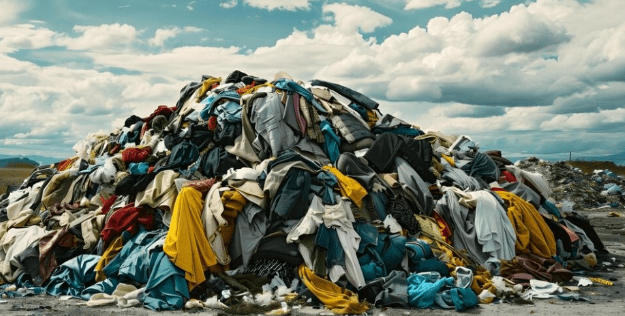
 इस खबर को सुनने के लिये प्ले बटन को दबाएं।


India’s fashion industry is undergoing a significant shift as textile scrap — once considered waste — is now being recognised as a valuable material with design, economic, and sustainability potential. What used to be discarded, exported, or downcycled is increasingly reshaped into fashion products that resonate with conscious consumers and brands alike.
From Waste to Raw Material
Historically, households across India instinctively practised circularity by repairing, repurposing, and regenerating textiles through traditional crafts such as kantha, godhadi, sujni, and patchwork. In these forms, textile remnants were never considered waste but resources to be used creatively.
Today, the modern fashion ecosystem is rediscovering this intuitive ethos through structured upcycling programmes. Pre‑consumer textile waste — including cutting scraps, deadstock, and surplus fabric — is increasingly treated as a raw input for new design and manufacturing instead of a disposal problem. Designers are experimenting with fabric reconstruction, appliqué, and patchwork to create limited‑edition and one‑of‑a‑kind collections that celebrate imperfection as a feature rather than a flaw.
Why Brands Are Investing in Scrap‑Based Design
Fashion brands are recognising that using textile scrap is more than a sustainability checkbox; it has become a strategic asset. Upcycled creations carry strong storytelling value — appealing to consumers who want to understand where their clothes come from and what impact they create. This transparency helps brands build deeper connections with audiences that increasingly prioritise ethical production.
In addition, scrap‑based fashion aligns with evolving Extended Producer Responsibility (EPR) expectations in India, encouraging brands to take accountability for their waste streams. Upcycling enables brands to proactively respond to regulatory and environmental demands while differentiating themselves with original, low‑waste design.
Leveraging India’s Craft Ecosystem
India’s deep craft heritage and skilled artisan workforce are key advantages in the transition toward circular fashion. Upcycling relies not just on technology but on material understanding, hand skills, and design sensibility — elements found abundantly in India’s traditional textile communities. Many upcycling models merge traditional techniques with contemporary silhouettes, creating products that feel both modern and rooted in cultural craftsmanship.
This approach supports small‑batch and capsule collections, reducing excess inventory and lowering waste. Instead of focusing on volume, the scrap‑based model emphasises value per piece — economic, creative, and cultural.
Shifting Consumer Mindsets
The rise of textile scrap fashion is also reshaping consumer behaviour. Younger buyers, in particular, are questioning the traditional “linear” fashion system of produce–wear–discard and are more open to garments made from reclaimed materials when design and intent are communicated clearly. This has created space for brands to educate, innovate, and build more meaningful relationships with customers.
Government policies are also evolving, with increasing encouragement for formally registered textile upcycling manufacturers within India’s organised textile ecosystem — signalling that scrap’s place in the industry is both timely and sustained.
For more style updates & exclusive fashion stories follow indiafashionicon.com
 Publisher