

 info@indiafashionicon.com
 Publisher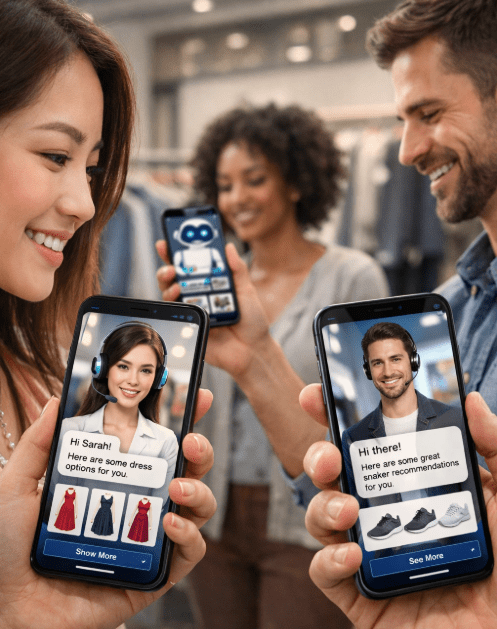
 इस खबर को सुनने के लिये प्ले बटन को दबाएं।


The retail experience is on the cusp of a dramatic transformation, with AI‑powered agents expected to become consumers’ primary shopping guides by 2026. Emerging technology and evolving Gen Z behaviour are ushering in a new era where traditional search and endless browsing may soon be replaced by conversational, personalised AI guidance.
The Future of Shopping
Today, online shopping often begins with typing keywords into a search engine, sifting through countless tabs, and comparing prices and features. But in 2026, industry experts envision this process evolving into a fluid conversation with an AI agent — one that understands intent, compares products, and recommends options without the hassle of traditional search.
Companies like OpenAI are already testing the future of retail with AI shopping agents integrated into platforms like ChatGPT, enabling users to receive personalised product shortlists and directly shop from the interface. Unlike conventional search, AI agents aren’t influenced by paid placement or SEO tactics, instead suggesting options based on clarity and relevance.
Gen Z: Accelerating the AI Shopping Revolution
The adoption of AI in shopping isn’t just a future prediction — it’s already happening, particularly among Gen Z consumers. Searches for terms like “AI shopping” and “shopping agent” surged around 1900 % between May and December 2025, indicating strong consumer interest and market momentum.
According to recent industry reports, many Gen Z shoppers find traditional browsing overwhelming and prefer AI support for product discovery and decision‑making. Generative AI tools are increasingly used by younger shoppers to verify quality, compare prices, and aggregate reviews before purchasing — acting as neutral guides rather than sales‑driven interfaces.
AI as Companion, Not Just a Tool
For Gen Z, AI isn’t just a convenience — it’s becoming part of the shopping journey itself. Around 60 % of young consumers have already used AI tools to assist with purchases by checking prices across marketplaces, offering styling suggestions, or vetting product quality. This trend is reshaping expectations around what shopping should feel like — less noise, more personalised direction.
Emerging platforms like Phia — a tool that compares prices across multiple marketplaces — show how these AI agents can reduce decision fatigue and provide clarity in a crowded digital marketplace.
Challenges and Opportunities for Brands
The rise of AI‑guided shopping presents both challenges and opportunities for retailers and brands. Traditional retail strategies that rely on paid advertising and SEO may become less effective, as AI selects brands based on clarity, relevance, and user intent rather than marketing spend.
As a result, brands must rethink how they present themselves in AI‑mediated environments. Key strategies include simplifying brand positioning to be easily understood by AI agents and shaping discovery to feel effortless and conversational rather than transactional. Retailers should also consider integrating sustainability and resale options into the AI shopping journey, as these elements resonate strongly with younger consumers.
Looking Ahead
The shift toward AI agents points to a broader evolution in how commerce will function by 2026. Instead of static product pages and search results, the future shopping experience will be dynamic, personalised, and conversation‑based — guided by AI companions that can make informed recommendations, save time, and personalise discovery.
For brands and retailers, the core question is simple: Can your brand be explained in a clear, single sentence that an AI agent can confidently recommend? If not, it may risk becoming invisible in the next wave of retail discovery.
For more style updates & exclusive fashion stories follow indiafashionicon.com

 Publisher