

 info@indiafashionicon.com
 Publisher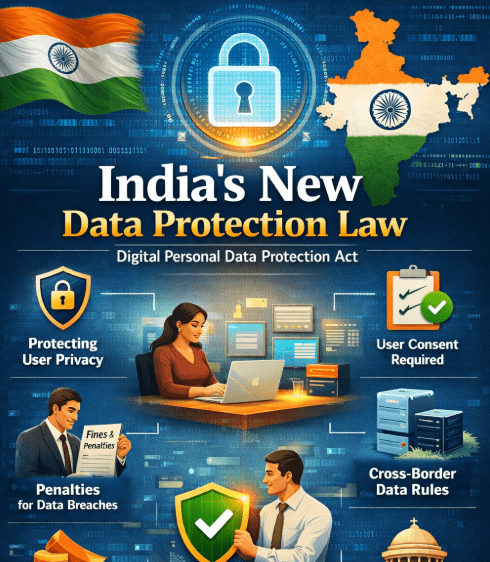
 इस खबर को सुनने के लिये प्ले बटन को दबाएं।


As India rolls out a stringent digital data protection framework, the country’s vibrant fashion start-up ecosystem now faces a fresh set of regulatory challenges that could reshape how young brands handle customer information and grow online.
Under recently introduced data protection rules designed to safeguard personal information, companies that collect or process consumer data — including innovative fashion start-ups — must now meet rigorous privacy and security standards. The regulations require firms to clearly explain how they collect and use data, gain explicit consent from users, and implement secure storage and retention practices to protect sensitive personal information.
Regulatory Pressure on Digital Business Models
Many fashion start-ups depend heavily on digital engagement — from ecommerce platforms and social media marketing to AI-driven recommendations and customer analytics. The new law’s requirements for transparency, consent management and breach reporting are forcing these businesses to rethink their data practices. Smaller ventures with limited resources may struggle to build compliant systems in a timely manner.
Legal experts say that while the law aims to protect consumer privacy — a goal welcomed by privacy advocates — the transition will be demanding for start-ups that have yet to prioritise structured data governance. Failure to comply with the rules can lead to severe penalties, including significant fines, making early preparation crucial.
Balancing Growth and Compliance
Industry insiders believe that the regulation could initially slow down product innovation and customer targeting tactics that rely on data insights. However, they also see a potential upside — brands that adopt robust data practices early can build stronger trust with consumers and investors alike. Analysts note that compliance could become a differentiator in an increasingly competitive fashion market.
Start-ups are now investing in privacy frameworks, hiring data-protection officers, and upgrading technology infrastructures to align with the new rules. Some are exploring consent-first approaches where customers opt in for data use explicitly, which may also serve as a marketing advantage by reinforcing transparency.
Industry Reaction and Future Outlook
Fashion tech founders acknowledge that the regulatory shift marks a maturity point for India’s digital economy. While it introduces immediate compliance costs and operational adjustments, many stakeholders agree that a predictable legal framework ultimately benefits businesses and consumers. Experts predict that those who can integrate privacy safeguards into their core strategy will lead the next wave of growth in the fashion start-up segment.
As the law’s full implementation unfolds over the coming months, India’s dynamic fashion start-up community is racing not just to create trends on the runway, but also to master the complex choreography of digital privacy compliance.

 Publisher