

 info@indiafashionicon.com
 Publisher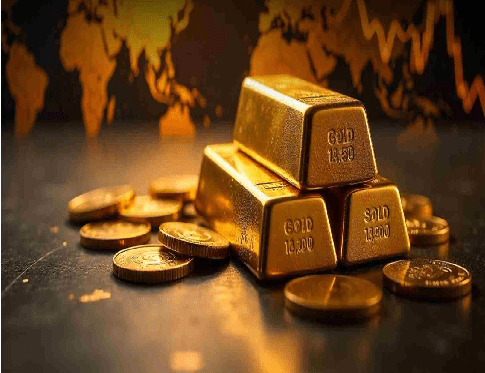
 इस खबर को सुनने के लिये प्ले बटन को दबाएं।


Gold has posted its biggest annual gain since the 1979 oil crisis, with prices doubling over the past two years. This remarkable performance saw spot gold reach a record high of $4,381 per ounce in October 2025, far surpassing previous milestones and defying typical market correction expectations.
Analysts say this surge was driven by strong demand from central banks and investors, coupled with macroeconomic pressures such as U.S. fiscal deficits, geopolitical tensions, and a relatively weak U.S. dollar.
Bullish Forecast for 2026
Despite the spectacular gains seen in 2025, market strategists remain optimistic. Leading financial institutions, including JP Morgan, Bank of America, and Metals Focus, project gold could climb toward or above the $5,000 per ounce mark in 2026.
This bullish outlook is rooted in several factors:
-
Continued central bank purchases as countries diversify away from dollar-based reserves
-
Growing investor allocation to gold as a safe-haven asset
-
Persistent global economic uncertainty and geopolitical risks
-
Broader portfolio diversification strategies among institutional investors.
Analysts forecast steady quarterly gold demand of roughly 585 metric tons in 2026 to sustain elevated price levels.
Changing Role of Gold in Investment Portfolios
Gold’s recent performance has reshaped how it’s viewed by investors. Traditionally a cyclical hedge against market downturns, gold is increasingly seen as a long-term portfolio asset.
This shift is partly due to the presence of new institutional buyers—from stablecoin issuers to corporate treasurers—broadening the investor base beyond traditional buyers.
Potential Risks and Market Dynamics
While the long-term outlook is positive, some analysts caution that 2026 gains may be more moderate compared to the explosive run of 2025. Factors that could temper gold prices include:
-
Slowing central bank buying
-
Reduced demand for jewellery
-
Broader market stabilisation as equity markets settle after periods of volatility
However, even with these moderating factors, gold’s fundamental appeal as a hedge against inflation and global economic uncertainty remains strong.
What This Means for Investors
For investors, the outlook suggests that gold could remain a key asset for diversification and risk mitigation in 2026. Whether prices approach the $5,000-per-ounce level or settle slightly lower, precious metals are expected to continue drawing attention from both institutional and retail investors as global economic pressures persist
For more style updates & exclusive fashion stories follow indiafashionicon.com

 Publisher