
 info@indiafashionicon.com
 Trunal Sahuji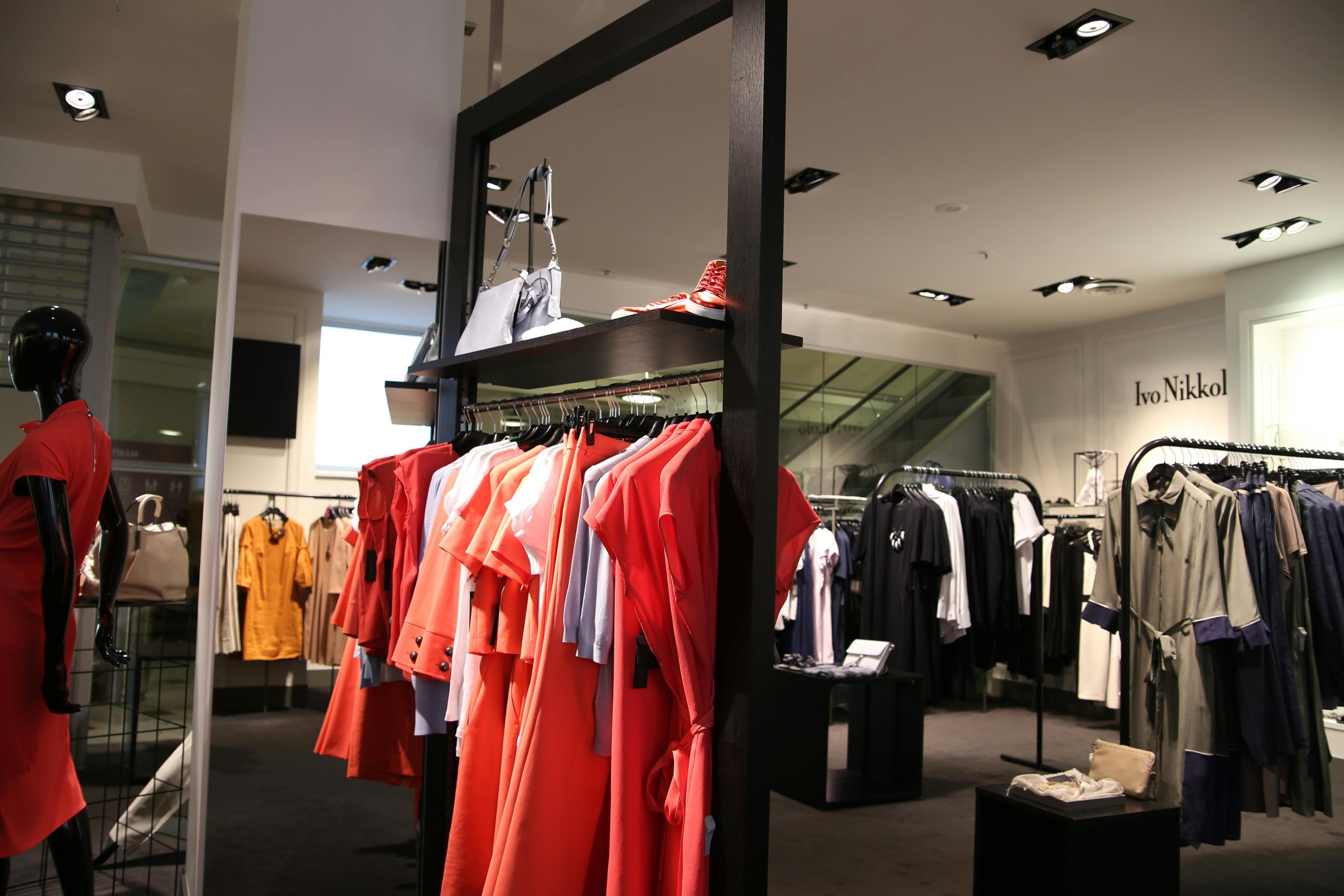
 इस खबर को सुनने के लिये प्ले बटन को दबाएं।


India’s government has rolled out a sweeping GST overhaul—one of the biggest in eight years—boosting taxes on clothing above ₹2,500 (~$29) from 12% to 18%, while slashing levies on essentials and consumer goods to 5%.
How It Works
-
Garments under ₹2,500 now attract just 5% GST, making daily wear significantly cheaper.
-
Apparel above ₹2,500 faces a steep 18% GST, up from 12%, affecting mostly premium and aspirational fashion segments
Winners vs. Losers
Winners
-
Essentials, electronics, and luxury vehicles now enjoy tax relief, making everyday items more affordable and boosting auto sales
Losers
-
Premium fashion brands like Zara, H&M, Levi’s, Nike, Lacoste, Uniqlo, Marks & Spencer, and many others are deeply concerned. This 18% slab hits the expensive segment—about 18% of India’s $70B apparel market—hard
-
The Clothing Manufacturers Association of India (CMAI) warns this may be a “death knell” for the industry, especially since higher-priced items are staples for the middle class and festive/wedding wear
-
With exporters already reeling from high U.S. tariffs (up to 50%) on Indian goods, industry players face twin pressures both domestically and globally
What Gucci Will Feel—and What Retailers Fear
-
A foreign retailer executive highlighted that ₹2,500 is the new baseline for everyday clothing—calling it “basic now”—indicating just how much the landscape has shifted
-
Middle-class shoppers—key to sales volume and growth—are now deciding between price sensitivity and style aspiration.
-
Retailers’ margins, already wafer-thin due to expensive overheads like rent, may evaporate unless costs are passed to consumers, risking volume loss
Domestic Response and Market Shifts
-
Raymond Lifestyle, one of India’s leading apparel firms, plans to reduce prices on items priced under ₹2,500—about two-thirds of their range—to reflect the lower GST and maintain affordability. Items just above the threshold may see minor price adjustments to stay competitive
-
Bengaluru’s garment sector—which fuels 20% of India’s apparel output and employs nearly 600,000 workers—has expressed support for the 5% slab but called for a unified tax rate across all price points to promote stability and equity in production chains.
Broader Economic Context
This GST revamp is part of India’s broader effort to manage the economic impact of global tension—such as Trump-era tariff hikes—while incentivizing domestic consumption. The move aims to consolidate low-value essentials under a lighter tax bracket, easing pressure on day-to-day buyers. Meanwhile, the luxury SUV segment has benefited from a reduced 40% tax, down from 50%, helping auto brands maintain strong performance—providing contrast to the fashion sector’s woes
| Impacted Area | Effect & Implications |
|---|---|
| Premium Fashion Brands | Squeezed by higher GST, risk of reduced demand and profit margin pressure |
| Middle-Class Consumers | Less accessible premium apparel; potential shift to budget or overseas shopping |
| Exporters | Facing dual stress from domestic taxes and weak export demand |
| Domestic Retailers | Trying price cuts on lower-priced lines; fighting margin erosion |
| Manufacturing Centers | Advocating for uniform tax rates and policy clarity for long-term planning |
For more style updates & exclusive fashion stories follow indiafashionicon.com

 Publisher