
 info@indiafashionicon.com
 Publisher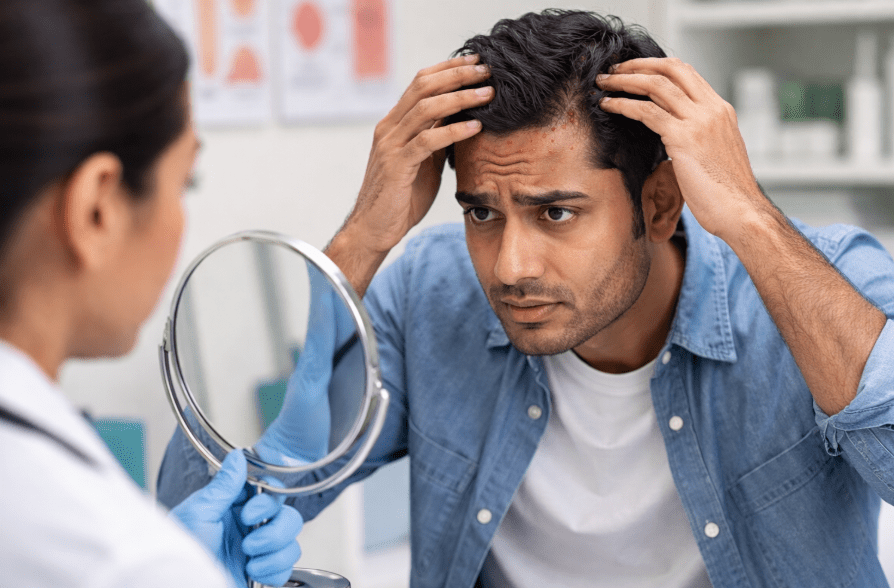
 इस खबर को सुनने के लिये प्ले बटन को दबाएं।


Pimples on the scalp—often referred to as scalp acne or folliculitis—are small, inflamed bumps that appear on the skin under your hair. They can be itchy, sore, and sometimes painful, and occur when hair follicles become clogged or irritated, just like regular facial acne.
What Causes Pimples on the Scalp?
Scalp pimples form when pores or hair follicles are blocked or inflamed. Common triggers include:
-
Excess oil (sebum) production that mixes with dead skin cells and sweat, clogging follicles.
-
Hair product buildup, including gels, pomades or heavy conditioners that leave residue.
-
Fungal or bacterial infections of hair follicles (folliculitis).
-
Sweat and friction from hats, helmets or tight headgear.
-
Hormonal fluctuations and stress that increase oil secretion.
-
Poor scalp hygiene, including infrequent washing after sweating.
-
Diet and lifestyle factors like high sugar or oily foods and lack of sleep.
Recognizing the Symptoms
Scalp pimples may show up as:
-
Small red bumps on the scalp
-
Pus‑filled heads (whiteheads)
-
Itchiness or tenderness
-
Inflamed patches that can feel sore
-
In severe or persistent cases, hair loss can even occur
How to Treat Scalp Pimples
1. Cleanse Regularly
Wash your hair often with a mild, non‑comedogenic shampoo to remove sweat, oil and product buildup. Gentle shampoos prevent excess dryness that could overcompensate with more oil production.
2. Use Targeted Ingredients
-
Salicylic acid shampoos exfoliate scalp skin and unclog pores.
-
Tea tree oil has natural antimicrobial and anti‑inflammatory properties.
-
Medicated shampoos with ketoconazole or zinc pyrithione help control fungal scalp issues.
3. Don’t Pick or Scratch
Picking pimples can worsen inflammation, cause infection, or leave scars. Avoid scratching and let treatment work.
4. Adjust Hair Product Use
Switch to oil‑free, lightweight products; avoid heavy gels, waxes, or conditioners applied directly to the scalp.
5. Lifestyle Helps
Manage stress, maintain good sleep, and keep headgear clean to reduce bacterial buildup.
6. See a Dermatologist
If pimples persist, worsen, or are painful and severe, a dermatologist can prescribe topical antibiotics, benzoyl peroxide, or other medicated treatments tailored to your condition.
Prevention Tips
-
Wash hair after sweating or workouts to prevent oil accumulation.
-
Use products labeled oil‑free and non‑comedogenic.
-
Clean helmets, hats, brushes, and pillowcases frequently to avoid bacterial transfer.
-
Avoid tight headwear that traps heat and moisture.
-
Eat a balanced diet and manage stress to support skin health.
For more style updates & exclusive fashion stories follow indiafashionicon.com

 Publisher